
The Best Crafts for a Rainy Afternoon to Keep You Engaged Indoors
A rainy afternoon can offer the perfect chance to embrace creativity indoors through simple, engaging crafts. Whether for children or adults, crafts that use everyday materials like paper, glue, scissors, and crayons provide an accessible way to turn a grey day into a productive and enjoyable experience.
The best crafts for a rainy afternoon are those that are easy to set up, encourage imagination, and suit all ages and skill levels. These activities not only pass the time but can also develop fine motor skills, spark creativity, and provide a sense of accomplishment.
Many successful craft ideas include making paper umbrellas, DIY rainbows, or sensory-friendly projects that keep kids entertained without screens. These low-prep crafts work well for toddlers, school-aged children, and even teenagers, making them ideal choices for families seeking indoor fun.
Creative Paper Crafts
Paper crafts provide a versatile way to engage creatively on a rainy afternoon. These activities range from precise folding techniques to crafting personalised cards and building sturdy sculptures with simple materials. Each craft encourages fine motor skills and imaginative use of paper.
Origami for Beginners
Origami introduces basic folding techniques that transform a flat sheet into a detailed figure. Beginners should start with simple models like cranes or boats, which require only a few folds. Using origami paper marked with crease lines can help improve accuracy.
Key tools include a bone folder to sharpen creases and a flat surface for folding. Origami fosters patience and concentration, while finished pieces can decorate rooms or serve as gifts.
Handmade Greeting Cards
Creating greeting cards allows personal expression and makes thoughtful presents. Supplies needed include cardstock, coloured paper, glue, scissors, and decorated elements like stickers or ribbons.
Techniques to try are layering paper for depth, stamping for patterns, or hand lettering messages. Cards can be themed for birthdays, holidays, or thank-you notes, offering a purposeful project that combines design and writing.
Paper Mâché Projects
Paper mâché is ideal for making three-dimensional objects from scrap paper and adhesive. The classic mixture involves water, glue, or flour paste, which forms a hard shell when dried.
Children and adults can cover inflated balloons or cardboard forms to create animals, masks, or bowls. These projects teach layering and drying times, producing durable art that can be painted once set.
DIY Home Décor Projects
These projects focus on transforming simple materials into attractive and functional items for the home. They both offer practical uses and a personal touch to living spaces, making them ideal for a rainy afternoon.
Upcycled Mason Jar Crafts
Upcycled mason jars are versatile and easy to customise. They can be turned into candle holders, vases, or organisers with minimal supplies.
To create a candle holder, clean the jar, add a layer of salt or sand for stability, and place a tealight inside. Alternatively, painting the jars with glass paint or wrapping them with twine adds texture and colour.
For organisers, jars can hold stationery or kitchen utensils. Labels or chalkboard paint help keep items clearly identified. Using recycled materials reduces waste and results in practical, decorative pieces that suit many styles.
Painting Terracotta Pots
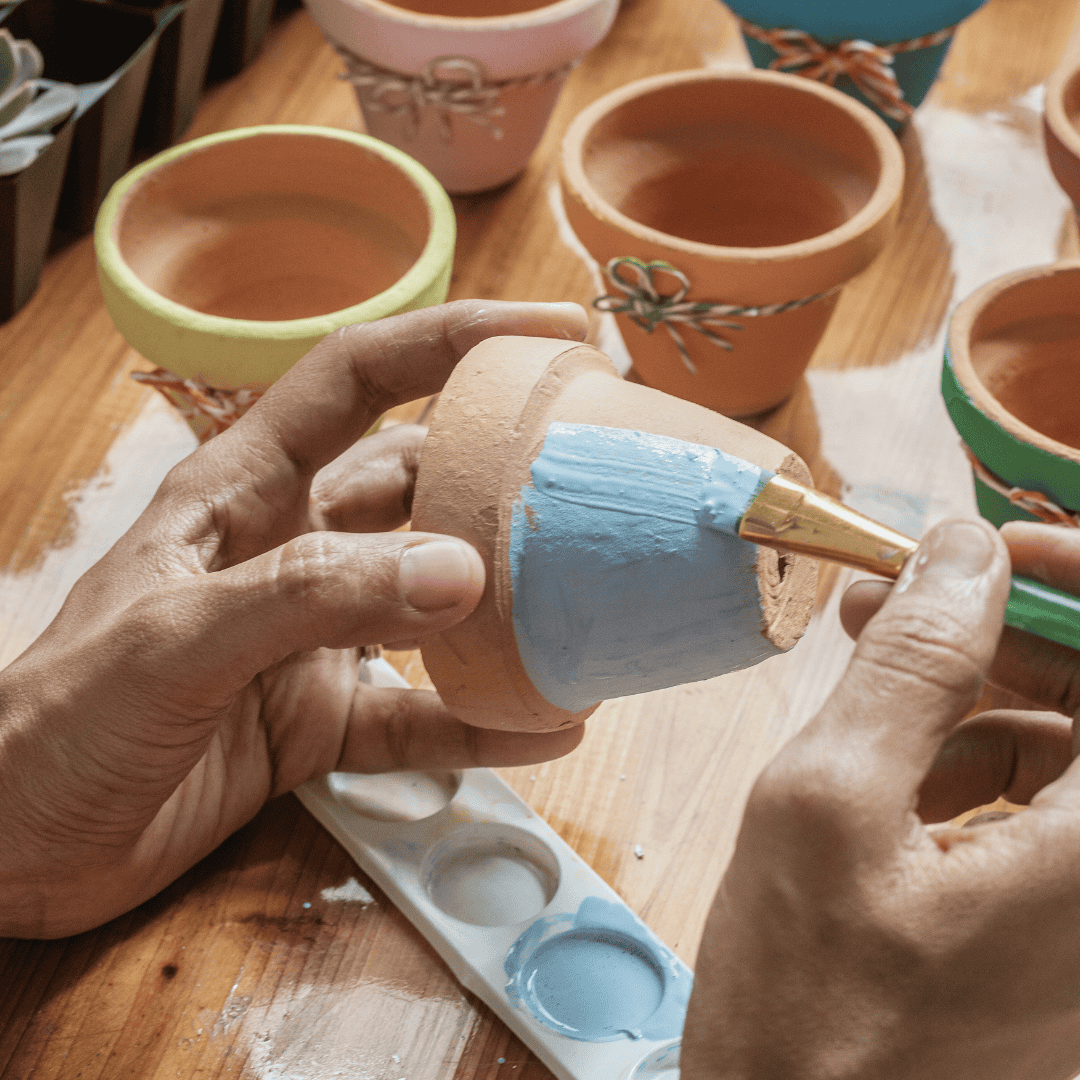
Painting terracotta pots is a straightforward way to brighten indoor plants or outdoor containers. Terracotta’s porous surface allows paint to adhere well, making designs long-lasting.
Before painting, the pot should be cleaned and dried. Acrylic paint is recommended for its durability and water resistance. Applying a primer layer improves colour vibrancy and prevents peeling.
Designs can range from simple solid colours to patterns like stripes or geometric shapes. Sealing the paint with a clear varnish protects the finish and makes the pot easier to clean. These pots serve both functional and aesthetic purposes.
Cosy Textile Crafts
Textile crafts offer a tactile and relaxing way to spend a rainy afternoon. These projects require minimal materials and result in useful or decorative items that bring a sense of accomplishment.
Simple Sewing Ideas
Simple sewing projects are ideal for beginners and can be completed in a few hours. Basic hand-stitched items such as fabric coasters, small pouches, or cushions involve straightforward techniques like running stitch or backstitch.
Using scrap fabric is practical and reduces waste. Essential tools include a needle, thread, scissors, and pins. Patterns can be easily found online or created by cutting shapes freehand.
These projects improve fine motor skills and allow experimentation with colour and texture. Adding small embellishments like buttons or appliqués personalise the finished product.
Handmade Fabric Bunting
Handmade fabric bunting is a versatile decoration for indoors, especially during gloomy weather. Triangular or rectangular flags are cut from various fabrics and sewn onto a ribbon or tape.
This craft encourages cutting precision and consistent sewing to ensure flags hang evenly. Selecting fabrics with autumnal or muted tones enhances a cosy atmosphere.
Bunting can be customised with embroidered initials or painted designs, making it suitable for gifts or seasonal décor. It is lightweight, easy to display, and can be stored flat for future use.
Fun Crafts for Children
These activities use simple materials commonly found at home and encourage creativity and fine motor skills. Both projects are suitable for a wide age range and can be adapted to individual children’s interests and skill levels.
DIY Sock Puppets
Making sock puppets requires only old socks, buttons, fabric scraps, and glue or sewing materials. Children decorate the socks by adding eyes, mouths, and other accessories to create unique characters.
This craft supports imaginative play as children invent stories and voices for their puppets. It also helps develop hand-eye coordination through cutting, glueing, or sewing. Parents or carers can assist with any sharp tools, making it safe for younger children.
The project can be extended by creating simple puppet theatres from cardboard or using household items as props. It keeps children engaged for extended periods and encourages social interaction if done in groups.
Rainy Day Collages
Creating collages involves collecting various materials such as coloured paper, magazine cut-outs, cotton wool, and leaves from outdoors. Children arrange and glue these items onto a base like cardboard or thick paper.
Collages let children explore texture and colour while practising design and composition skills. This activity is flexible and can represent anything from abstract patterns to thematic scenes like rainy weather.
Using everyday objects makes this an accessible craft, ideal for toddlers through to older children. It is also a quiet but creative option, suitable for individual or group settings, enhancing concentration and patience.
Relaxing Arts and Crafts
These crafts offer calm, focused activities that help pass a rainy afternoon with creativity and ease. They require minimal preparation and suit a range of skill levels, making them accessible and enjoyable.
Watercolour Painting
Watercolour painting is a gentle way to explore colour blending and texture. It uses transparent pigments that can be layered to create subtle effects. Artists often work on thicker, textured paper designed to hold moisture without warping.
Basic supplies include watercolour paints, brushes of various sizes, water containers, and paper. Beginners benefit from practising simple washes and gradients before attempting more complex scenes or detailed work.
The slow drying time encourages patience and reflection, making it ideal for calming the mind. It requires little setup and cleanup, so it fits well into a relaxed indoor environment.
Beginner’s Embroidery
Embroidery is a tactile craft promoting concentration and hand-eye coordination. For beginners, simple stitches such as running stitch, backstitch, and satin stitch are the foundation. These stitches allow the creation of basic shapes and patterns easily.
Materials needed are embroidery hoops, needles, embroidery thread, and fabric—often cotton or linen. Starting with simple patterns helps build confidence and skill gradually.
Embroidery projects can range from decorating small items like handkerchiefs to making personalised patches. This craft provides a tangible sense of accomplishment with each completed stitch.
Group Crafting Activities
Group crafting activities are excellent for rainy afternoons, encouraging collaboration and shared creativity. They help build communication skills and create a sense of achievement when everyone contributes to a final project.
A popular group option is collaborative murals or posters, where each person paints or draws a section. This activity suits all ages and allows individual creativity within a collective piece.
Craft kits for making friendship bracelets, paper chains, or decorations also work well. These projects involve repetitive steps that can be split among participants, making them ideal for varying skill levels.
Using simple materials like paper, glue, scissors, and crayons, groups can create themed crafts such as memory jars, custom cards, or seasonal decorations. These projects foster both artistic expression and social interaction.
| Activity Type | Description | Suitable Age Groups |
| Collaborative Murals | Large artwork shared by everyone | All ages |
| Friendship Bracelets | Weaving colourful threads | Older children, teens |
| Paper Chains/Decorations | Simple cutting and assembling | Toddlers, preschool to teens |
| Memory Jars | Collecting notes or small crafts | Family groups |
These group activities minimise downtime and encourage distraction-free engagement, making them ideal for keeping everyone occupied during wet weather.
Eco-Friendly Crafting Inspiration
Eco-friendly crafts are ideal for a rainy afternoon, combining creativity with sustainability. Using recycled or upcycled materials reduces waste and gives new life to everyday items.
Simple projects include turning empty toilet paper rolls into decorative holders or creating plant pots from old containers. These activities teach resourcefulness and promote environmental care.
Many eco-friendly crafts focus on reusing materials like fabric scraps, cardboard, or glass jars. This approach limits the need for new supplies, lowering the environmental impact.
Benefits of eco-friendly crafting:
- Encourages waste reduction
- Supports learning about sustainability
- Provides a hands-on way to care for the environment
Crafting with recycled elements can be both educational and enjoyable for all ages. Children, especially, benefit from understanding the importance of caring for the planet through practical, engaging tasks.
By choosing eco-conscious projects, crafters contribute positively to their homes and communities while developing skills in creativity and environmental responsibility.
Organising Your Crafting Space
A well-organised crafting space can improve productivity and reduce stress. It allows crafters to find supplies quickly and focus on creativity rather than clutter.
Start by categorising materials such as fabric, paints, beads, and paper. Using clear containers or labelled boxes makes it easier to identify contents at a glance.
Small spaces benefit from vertical storage solutions. Shelves, pegboards, and stackable drawers maximise room without overcrowding.
Essential tools should be kept within reach. Storing scissors, glue, and brushes in containers on the workspace saves time during projects.
Regularly decluttering unused or expired items prevents build-up. This habit keeps the area functional and inviting.
Here is a simple checklist for craft room organisation:
| Task | Suggested Method |
| Separate supplies | By type or project |
| Maximise vertical space | Install shelves or pegboards |
| Label storage | Use clear jars or labelled bins |
| Keep essentials handy | Small containers on the desk |
| Declutter regularly | Remove unnecessary items |
By maintaining organisation, crafters can create a space that supports both inspiration and practical work, turning any rainy afternoon into a productive crafting session.


